
Tag: birds
-
The Case for the Cranes: Why Wisconsin Should Say No to Hunting Sandhill Cranes
SIGN OUR LETTER Legislator-led committee to “study” sandhill crane management, including potential hunting season already lacks transparency and inclusivity The sandhill crane’s comeback story is one for the books. From the brink of disappearance, they’ve soared back to healthy numbers, a true victory for wildlife conservation efforts. The people have spoken, and the message is…
-
War on Wolves. Be our Wolf Protection Frontline
I understand you’re scared and exhausted—I’m scared too, but feeling hopeless is not a choice. Here at Great Lakes Wildlife Alliance, our work lets you recharge and rest. I will never give up, ever. The same forces behind the wolf hunt have tried to suppress votes. They work hand-in-glove with big oil, gas, and paper…
-
War on Wolves. Be our Wolf Protection Frontline
I understand you’re scared and exhausted—I’m scared too, but feeling hopeless is not a choice. Here at Great Lakes Wildlife Alliance, our work lets you recharge and rest. I will never give up, ever. The same forces behind the wolf hunt have tried to suppress votes. They work hand-in-glove with big oil, gas, and paper…
-
The Case for the Cranes: Why Wisconsin Should Say No to Hunting Sandhill Cranes
SIGN OUR LETTER Legislator-led committee to “study” sandhill crane management, including potential hunting season already lacks transparency and inclusivity The sandhill crane’s comeback story is one for the books. From the brink of disappearance, they’ve soared back to healthy numbers, a true victory for wildlife conservation efforts. The people have spoken, and the message is…
-
Press Release: Great Lakes Wildlife Alliance Supports Petition to Regulate Neonicotinoid Insecticides
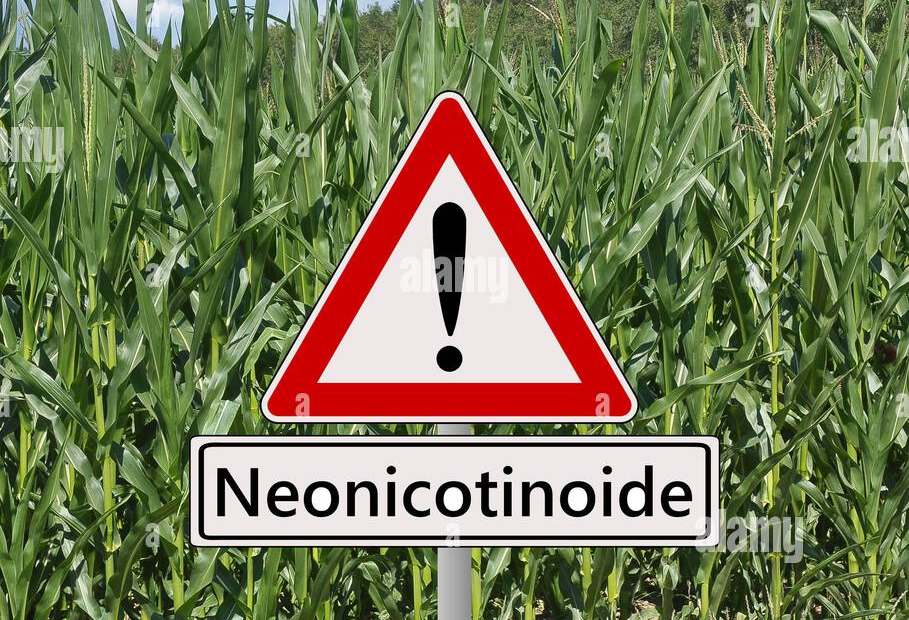
Neonicotinoids are systemic insecticides used in agriculture, landscaping, and home gardening to control pests. We are deeply concerned about the harmful effects of neonicotinoids on the environment and wildlife. Despite these risks, the EPA registered neonicotinoids without first requiring data on their efficacy.
-
ANNOUNCING WILDLIFE DAY AT THE FARM!

An event designed to educate and motivate wildlife and wilderness lovers on important wildlife-related issues and to encourage representatives hear about coexistence and address our need on how to best advocate for wildlife in Wisconsin…please join us !